
Important information: The value of investments and any income derived from them may go down as well as up. You may not get back the amount originally invested. Past performance is not a reliable indicator of future results.
Key Takeaways
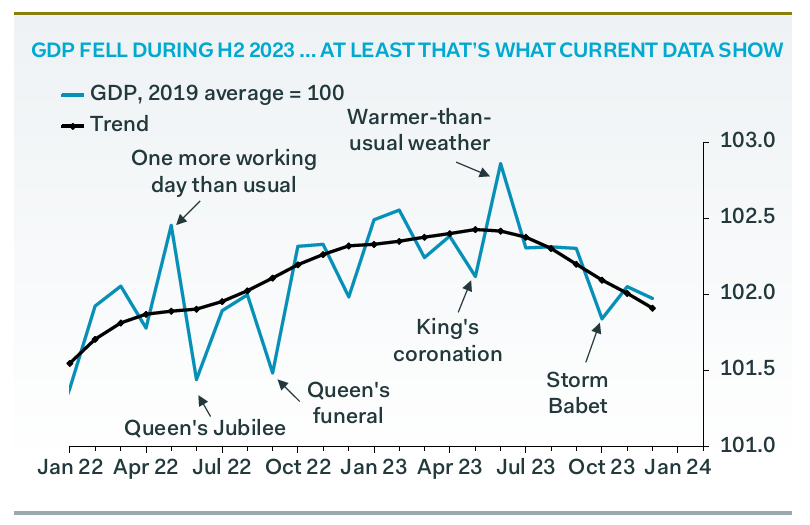 Source: Pantheon Macroeconomics
What is a short duration bond?
This is essentially a debt security that takes a short time to repay your initial investment, usually defined as a five-year period or less. For coupon paying bonds, duration will always be lower than time to maturity as income forms part of repaying the initial investment. These bonds have more certainty of return as the principal is repaid in the near future – and can be reinvested into other opportunities more quickly.
The opportunity
The correlation of interest rates and risk assets, namely equities might be about to change. Given this potential, we believe that short duration fixed income can act as an income producing diversifier within managed portfolios. Credit spreads remain negatively correlated to rates at present, and we believe the strength of that relationship will grow when the yield curve normalises and quantitative tightening begins. Valuation differentials remain elevated in high yield debt versus investment grade. Yes, credit spreads across the quality spectrum have narrowed this year producing above-coupon returns, but credit market corrections have typically come at times when leveraged credit valuations have been far more compressed than present.
Bowmore portfolios
We’ve recently increased our exposure to short duration corporate credit as we believe that interest rates won’t fall quite as quickly as the market is predicting. This allows us to take advantage of the higher coupons on offer and eventual capital uplift that cannot be found at longer maturities. If a serious recession was presenting itself, we would expect interest rates to be cut by 0.5% or 1% and would look to allocate to longer dated government bonds. However, the mild weakening of the economy suggests the MPC will keep rates higher for longer.
Source: Pantheon Macroeconomics
What is a short duration bond?
This is essentially a debt security that takes a short time to repay your initial investment, usually defined as a five-year period or less. For coupon paying bonds, duration will always be lower than time to maturity as income forms part of repaying the initial investment. These bonds have more certainty of return as the principal is repaid in the near future – and can be reinvested into other opportunities more quickly.
The opportunity
The correlation of interest rates and risk assets, namely equities might be about to change. Given this potential, we believe that short duration fixed income can act as an income producing diversifier within managed portfolios. Credit spreads remain negatively correlated to rates at present, and we believe the strength of that relationship will grow when the yield curve normalises and quantitative tightening begins. Valuation differentials remain elevated in high yield debt versus investment grade. Yes, credit spreads across the quality spectrum have narrowed this year producing above-coupon returns, but credit market corrections have typically come at times when leveraged credit valuations have been far more compressed than present.
Bowmore portfolios
We’ve recently increased our exposure to short duration corporate credit as we believe that interest rates won’t fall quite as quickly as the market is predicting. This allows us to take advantage of the higher coupons on offer and eventual capital uplift that cannot be found at longer maturities. If a serious recession was presenting itself, we would expect interest rates to be cut by 0.5% or 1% and would look to allocate to longer dated government bonds. However, the mild weakening of the economy suggests the MPC will keep rates higher for longer.
- GDP shrank by 0.3% in Q4 of 2023, tipping the UK into a technical recession
- This increased conviction amongst investors that the Bank of England would cut interest rates this year, which pushed the UK market up by 0.75% in a day
- With 2-year UK yields offering around 4.6% this represents a good opportunity for income and for capital growth once rates start to come down
- GDP is normally subject to upward bias revisions
- Employment continued to rise in Q4, and real wages picked up too
- The GDP difference to forecast was largely due to real government expenditure reduction (0.4% lower than anticipated)
- Consumer and business confidence is rising and suggests GDP could be positive for Q1 2024
Source: Pantheon Macroeconomics
What is a short duration bond?
This is essentially a debt security that takes a short time to repay your initial investment, usually defined as a five-year period or less. For coupon paying bonds, duration will always be lower than time to maturity as income forms part of repaying the initial investment. These bonds have more certainty of return as the principal is repaid in the near future – and can be reinvested into other opportunities more quickly.
The opportunity
The correlation of interest rates and risk assets, namely equities might be about to change. Given this potential, we believe that short duration fixed income can act as an income producing diversifier within managed portfolios. Credit spreads remain negatively correlated to rates at present, and we believe the strength of that relationship will grow when the yield curve normalises and quantitative tightening begins. Valuation differentials remain elevated in high yield debt versus investment grade. Yes, credit spreads across the quality spectrum have narrowed this year producing above-coupon returns, but credit market corrections have typically come at times when leveraged credit valuations have been far more compressed than present.
Bowmore portfolios
We’ve recently increased our exposure to short duration corporate credit as we believe that interest rates won’t fall quite as quickly as the market is predicting. This allows us to take advantage of the higher coupons on offer and eventual capital uplift that cannot be found at longer maturities. If a serious recession was presenting itself, we would expect interest rates to be cut by 0.5% or 1% and would look to allocate to longer dated government bonds. However, the mild weakening of the economy suggests the MPC will keep rates higher for longer.