Important information: The value of investments and any income derived from them may go down as well as up. You may not get back the amount originally invested. Past performance is not a reliable indicator of future results.
A seed of stabilisation?
- The Chinese have lost c.$6trn in value over the last three years – twice Britain’s economic output
- The property sector accounts for a quarter of China’s GDP, and transaction volumes are still declining
- Chinese domestic savings at a percentage of GDP is nearly 50% compared to the UK’s 17.15%
- Local authorities have become debt-ridden as the property sector crisis has forced a slow down of land selling. This is currently down c.13% from last year and at its lowest level since 2017
- China officially ended their zero COVID policy in January 2023, some eighteen months after the UK. This prolonged lockdown along with other factors caused huge disruption to supply chains globally, reminding many businesses just how reliant they had become on other countries for goods and services
- The Chinese consumer emerged from lockdown reluctant to spend, possibly due to the ongoing property crisis’s negative wealth effect and domestic demand only c.70% of the pre-COVID equivalent
- Tensions between US and China have meant that investors have meaningfully reduced exposure
- China’s economy grew 5.2% in 2023 and though that may seem impressive for a major economy, it’s far below the double digit growth that China has been accustomed to in the last decade
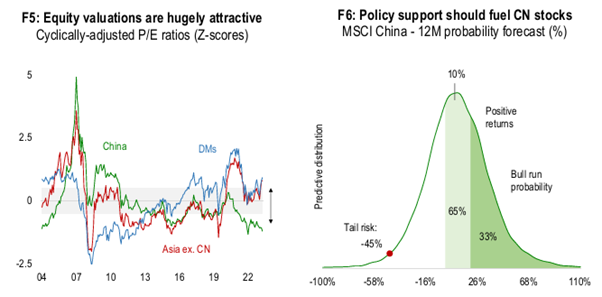
- While the US, UK and other countries governments stepped in to support their economies over the last few difficult years, Beijing’s approach has been more piecemeal and has fallen short of expectations. To restore confidence, investors want to see a government backstop to support property developers
- Demographics are unfavourable compared with other emerging economies, with twice as many people turning 60 each year than being born
- General public expenditure jumped 14% on the year in January and February, the fastest pace for 5 years
- A cut to the reserve requirements ratio (RRR) by 50 basis points, and indication that another may follow
- Issuance of 1 trillion yuan ($139 billion) of ultra-long special central government bonds planned this year
- Giving real estate developers leeway to use their property-backed loans to repay other loans, and not just for property investment